Understanding
Sacred music
Why it sounds the way it does, and what you are actually hearing.
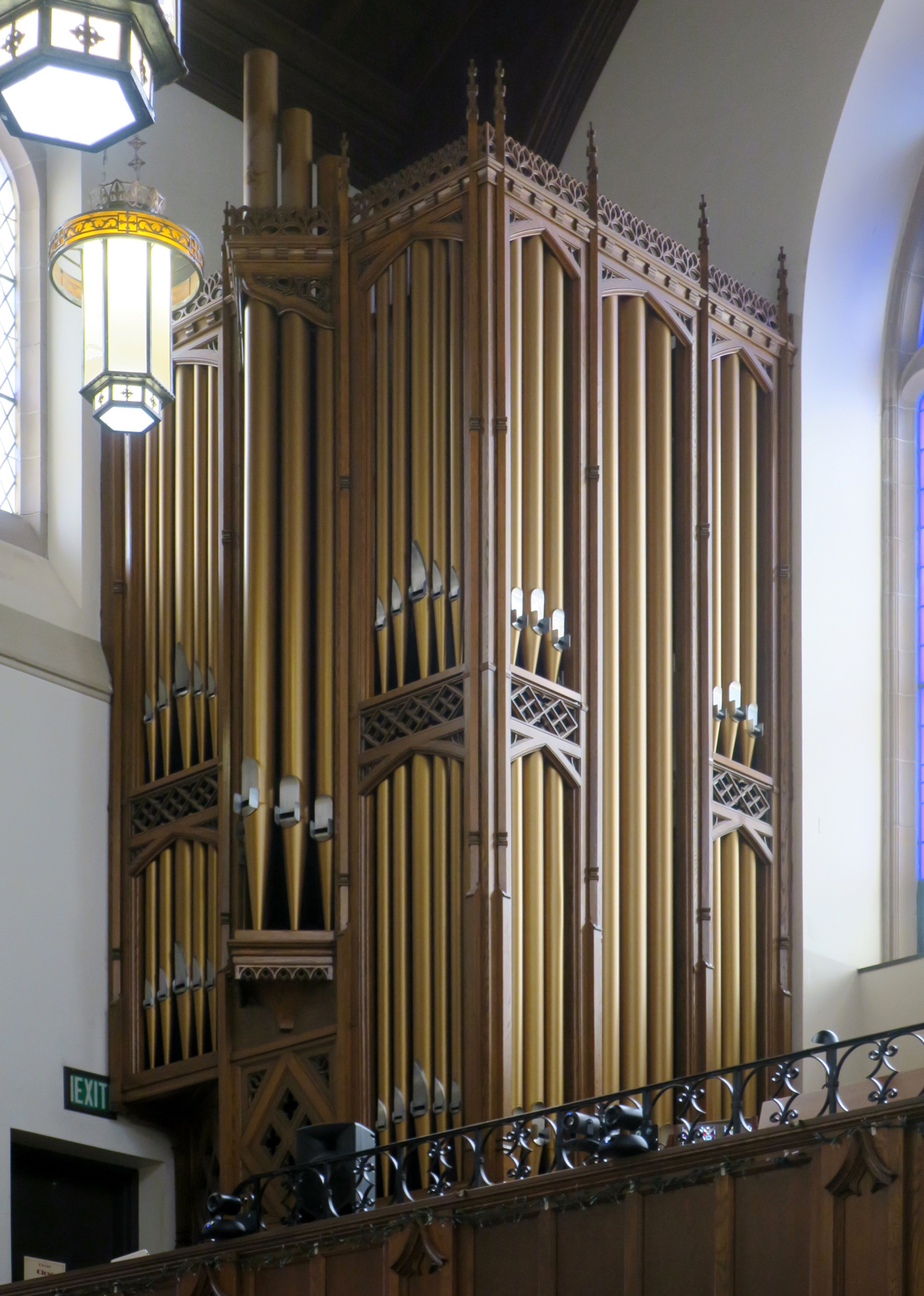
Gregorian chant
A single melodic line, unaccompanied, in free rhythm that follows the shape of the words rather than a beat. It is the Church's own music, and the texts it sets are almost entirely scripture.
The proper chants change every week with the day. The ordinary chants — Kyrie, Gloria, Sanctus, Agnus Dei — recur, which is why congregations learn them first.
Polyphony
From the sixteenth century onward, several independent lines woven together. It is more elaborate than chant and was written for the same texts and the same moments.
If you want to start listening
- Begin with a single Introit rather than a whole Mass setting.
- Listen to the same one several times. Chant rewards familiarity more than novelty.
- Read the text first, in translation. The music is a setting of words, not a mood.
What next
Find a Sung Mass
Hear it where it belongs.
The Ad Orientem Report
Receive The Ad Orientem Report
Reporting, analysis, and important developments from the world of the Traditional Latin Mass. Weekly. Original sources. No outrage.