Come and see
New to the Latin Mass
You do not need to know Latin. You do not need to know when to stand. Nobody is watching you, and nobody expects you to know what you are doing.
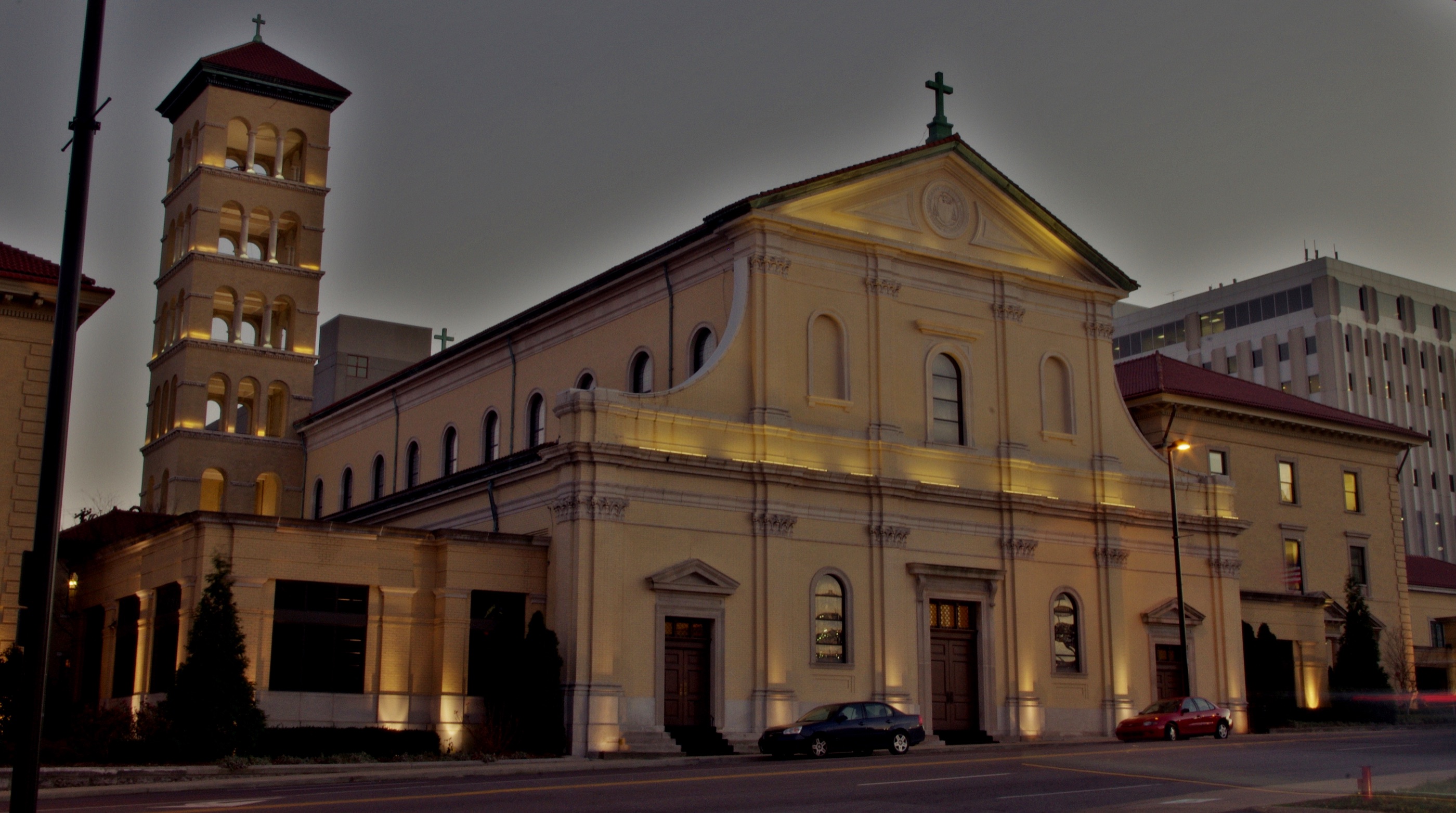
What you will notice first
It is quieter than you expect. For long stretches the priest prays in a low voice, or silently. That silence is not an accident or a gap in the service; it is part of the form.
The priest faces the same direction as the people, toward the altar. He is not turning his back on the congregation. Everyone, priest included, is facing the same way — toward God. That is what the phrase ad orientem means: toward the east, toward Christ.
What to do
- Arrive a few minutes early and sit wherever there is room. Anywhere is fine.
- Take a booklet or missal if one is offered. If not, you can simply watch.
- Stand, sit, and kneel roughly when everyone else does. If you are half a second late, it does not matter.
- If you do not know whether you should receive Communion, stay in your seat. This is completely normal and nobody will notice.
What to wear
Ordinary respectful clothes. You will see a range. Some people dress formally; some do not. Nobody is turned away for what they are wearing, and no one is keeping score.
How long it lasts
If you need to leave early, leave quietly; that is better than not coming.
- 30–45 min
- Low Mass
- 1–1.5 hr
- Sung Mass
What next
Prepare for a first visit
A short set of questions, then a one-page guide you can print.
Find a Latin Mass near you
Search by city, church, diocese, or your location.
Why this Mass?
Why Latin, why silence, why facing the altar.
The Ad Orientem Report
Receive The Ad Orientem Report
Reporting, analysis, and important developments from the world of the Traditional Latin Mass. Weekly. Original sources. No outrage.