Understanding
Why do some women wear veils at the Traditional Latin Mass?
A real biblical basis, a rule that used to be in canon law and no longer is, and a custom that has outlived the requirement — worth understanding as all three, not just one.
Where it comes from
St. Paul wrote about it directly, in 1 Corinthians 11: a woman praying with her head covered, a man with his uncovered. The Church's 1917 Code of Canon Law turned that into an actual rule, requiring women to cover their heads in church, especially at Communion.
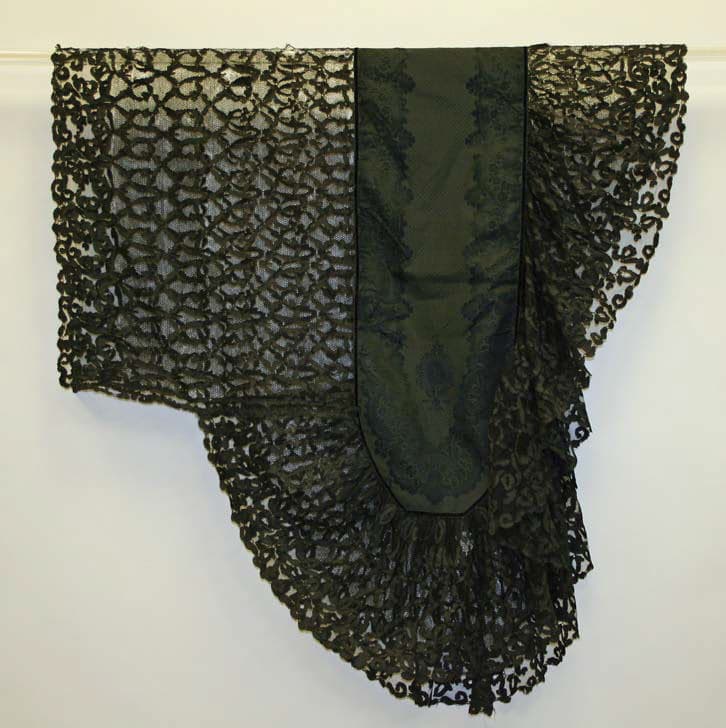
Is it required now?
No. The requirement was dropped when the law was rewritten in 1983, and it is not part of current universal Church law. Nobody is turned away, corrected, or thought less of for not wearing one.
Why many still do it
As a voluntary custom rather than an obligation, veiling has continued, especially in traditional communities, as a visible sign of reverence and feminine modesty before the Eucharist — the same instinct that puts a veil on a nun's habit. Nobody is required to explain why they do or don't; both are normal at the churches in this directory.
What next
New to the Latin Mass
What to expect the first time.
First Visit Guide
A short set of questions, then a one-page guide you can print.
Find a Latin Mass
Search by city, diocese, country, or your location.
The Ad Orientem Report
Receive The Ad Orientem Report
Reporting, analysis, and important developments from the world of the Traditional Latin Mass. Weekly. Original sources. No outrage.